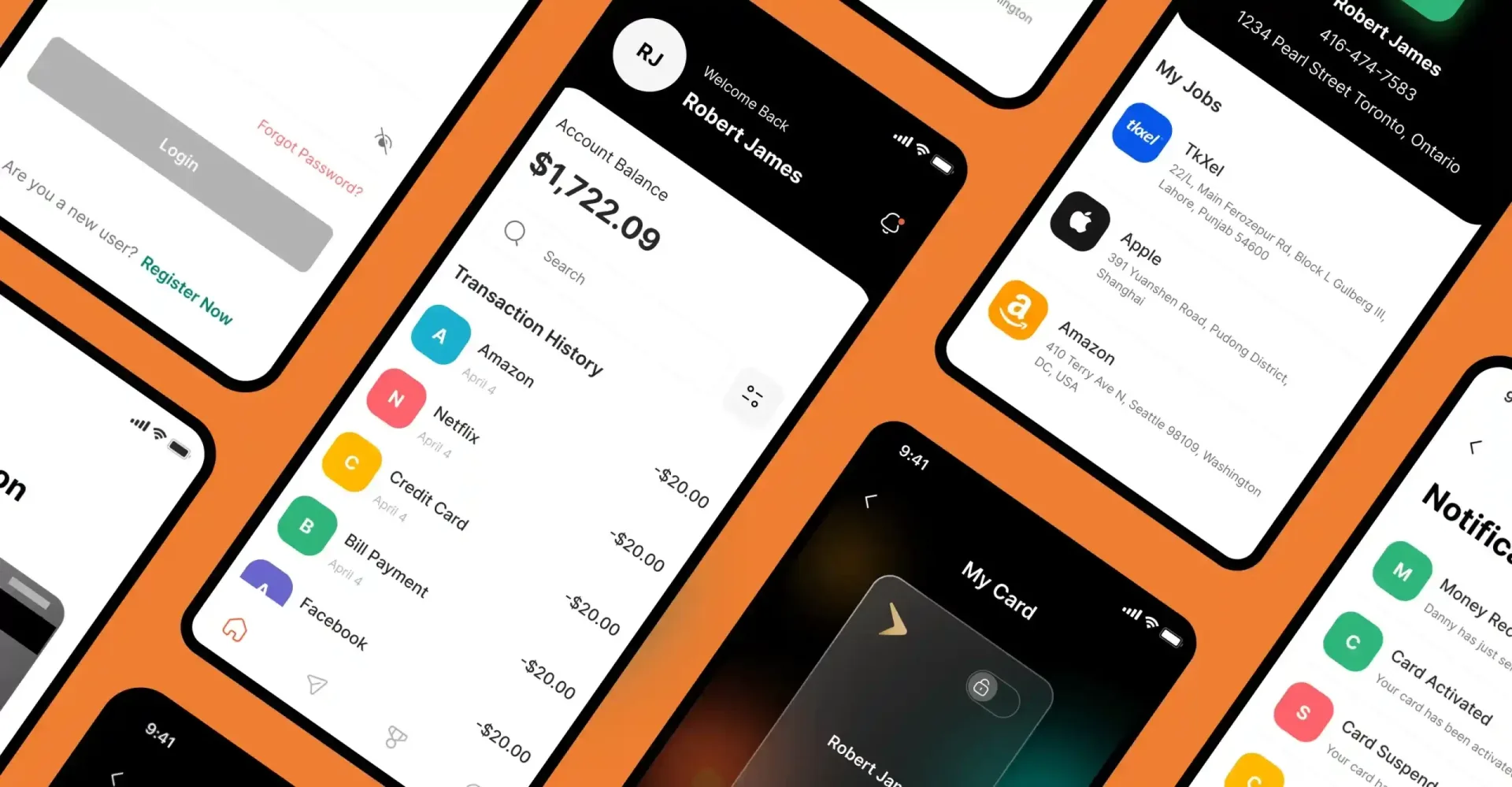
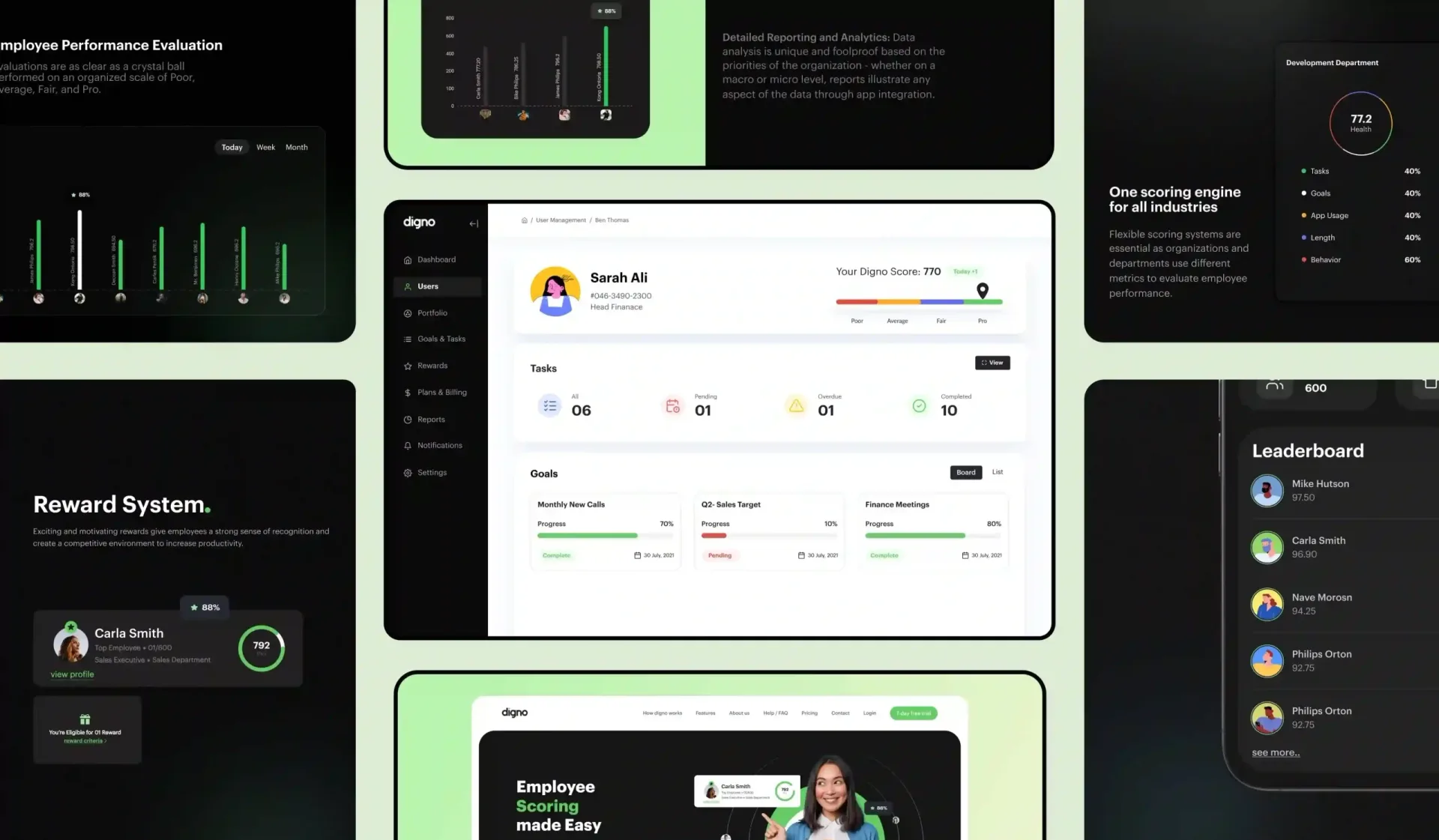
tkxel teams have designed and built for

Why good design pays for itself

32 pts

more revenue growth over five years for companies that lead McKinsey's Design Index than for their industry peers.

Not sure where your design loses users?

Book a 45-minute product review. A senior designer walks through your product and names the three changes with the biggest effect.

Book a product review

How our UI UX design agency works

  1. 01

    Discovery

    We interview users, read your analytics and map the jobs your product is hired for. Early-stage founders start with our MVP design agency package.

    Deliverables: Research findings, priority listTimeline: 1–2 weeks
  2. 02

    Flows and prototypes

    We design the riskiest flows first and test them as clickable prototypes. For AI features, prototypes show real model output; see our AI UX design agency work.

    Deliverables: User flows, tested prototypesTimeline: 2–4 weeks
  3. 03

    Interface and design system

    Final screens plus a component library engineers reuse every sprint. Our SaaS design agency team builds systems that match your front-end code.

    Deliverables: Final UI, component libraryTimeline: 2–6 weeks
  4. 04

    Testing with real users

    5 to 8 target users run real tasks before engineering starts, and again before launch. We fix what fails and record why.

    Deliverables: Test results, iteration logTimeline: 1–2 weeks
  5. 05

    Build and launch support

    Our designers stay in your sprints until the design is live, or tkxel engineers build it with us. Need ongoing capacity? hire UI UX designers monthly.

    Deliverables: Dev-ready specs, design QATimeline: Through launch

What a specialist UI UX design agency changes

Faster activation

New users reach their first result sooner, so more trials turn into paying accounts.

AI people trust

Sources, previews and easy corrections make users rely on AI output for the right reasons.

Smaller first builds

A tested MVP scope keeps engineering focused on the flow users actually pay for.

Fewer support tickets

Clear screens and honest error states answer questions before customers ask them.

Quicker feature delivery

A shared design system lets engineers ship new screens without waiting on design.

Want to see what we would change first?

Book a discovery call

What our designers work on

Three kinds of product make up most of our work. Each needs its own playbook.

01

AI features and AI-first products

Prompt inputs, streaming answers, citations, confidence cues and correction flows, plus the states for wrong or slow answers. See AI UX design agency.
02

Chat and assistant interfaces

Support bots and in-product assistants with answer cards, suggested replies and a clean handoff to a person. See chatbot UI design.
03

New SaaS products

Sign-up, onboarding, roles, dashboards and billing for subscription software. See SaaS design agency.
04

Redesigns of live SaaS products

Phased redesigns that modernize an aging interface while customers keep working. See SaaS product redesign.
05

Startup MVPs

From idea to a tested, clickable prototype in 4 to 8 weeks, ready for users and investors. See MVP design agency.
06

Products after launch

Research, UX, UI and design systems for startups growing past version one. See product design agency.

Products we design

Enterprise software

IT and procurement approve enterprise software, while operators, analysts, approvers and admins use it all day. Our enterprise UX work designs for both groups, from the security review to the daily task.

  • Role-based workflows and a role-permission matrix for admins, managers, operators and guests
  • Data-dense dashboards and tables with filters, bulk actions and saved views
  • Admin consoles: single sign-on (SSO) settings, user provisioning, audit logs and access reviews
  • AI features with sources, human review, approval steps and an activity log
  • Accessible Figma design systems with tokens, annotated for WCAG 2.2 AA (Web Content Accessibility Guidelines)
Explore enterprise software design

Fintech

Our fintech UX design work starts where money products lose people: the identity check, the first transfer and the first number nobody can explain. We design and test those paths before anything else.

  • KYC onboarding and account-opening flows that collect the Customer Identification Program basics in short steps a user can pause and resume
  • Payment, transfer and payout screens that show the fee and arrival time before the user taps send, and the transfer status after
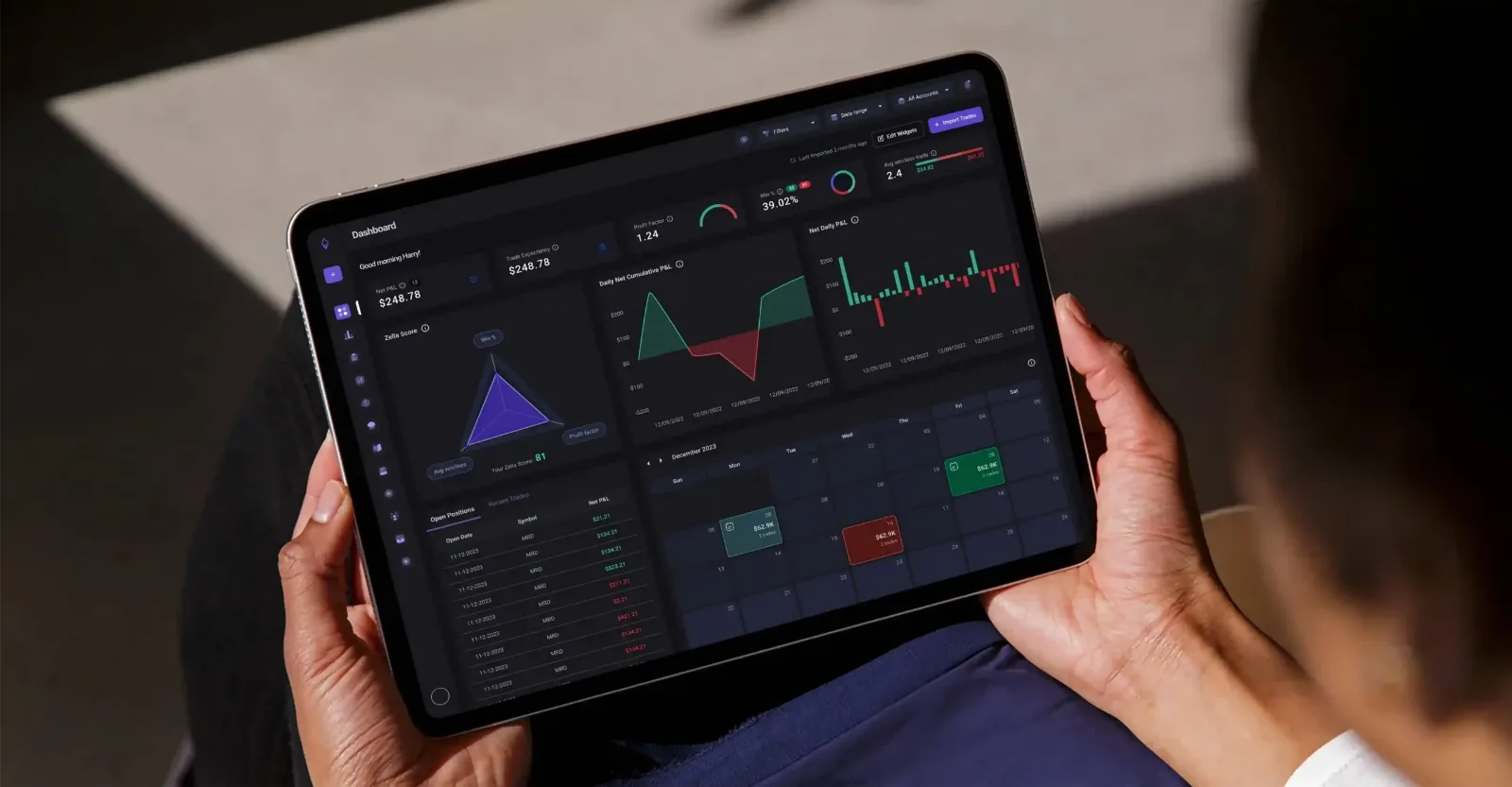
  • Trading, portfolio and spending dashboards that put the number a user checks first at the top of the screen
  • AI assistants and copilots for money questions that cite their sources, state their limits and hand off to a person
  • Consent, disclosure, dispute and data-sharing screens, flagged for your compliance team in the same annotated Figma files developers build from
Explore fintech design

Healthcare

A patient, a caregiver with proxy access and a clinician often open the same record on three different screens. Good health app UX decides what each of them sees first, what stays hidden and where AI output waits for a human check.

  • Clinical AI copilots and clinical decision support screens that show the basis for every suggestion
  • Digital health SaaS for clinics, care teams and payers: scheduling, intake forms, admin and reporting
  • Telehealth, virtual-care and remote patient monitoring apps, from the device check to the visit summary
  • Patient portal design and caregiver apps with proxy access settings and plain-language results views
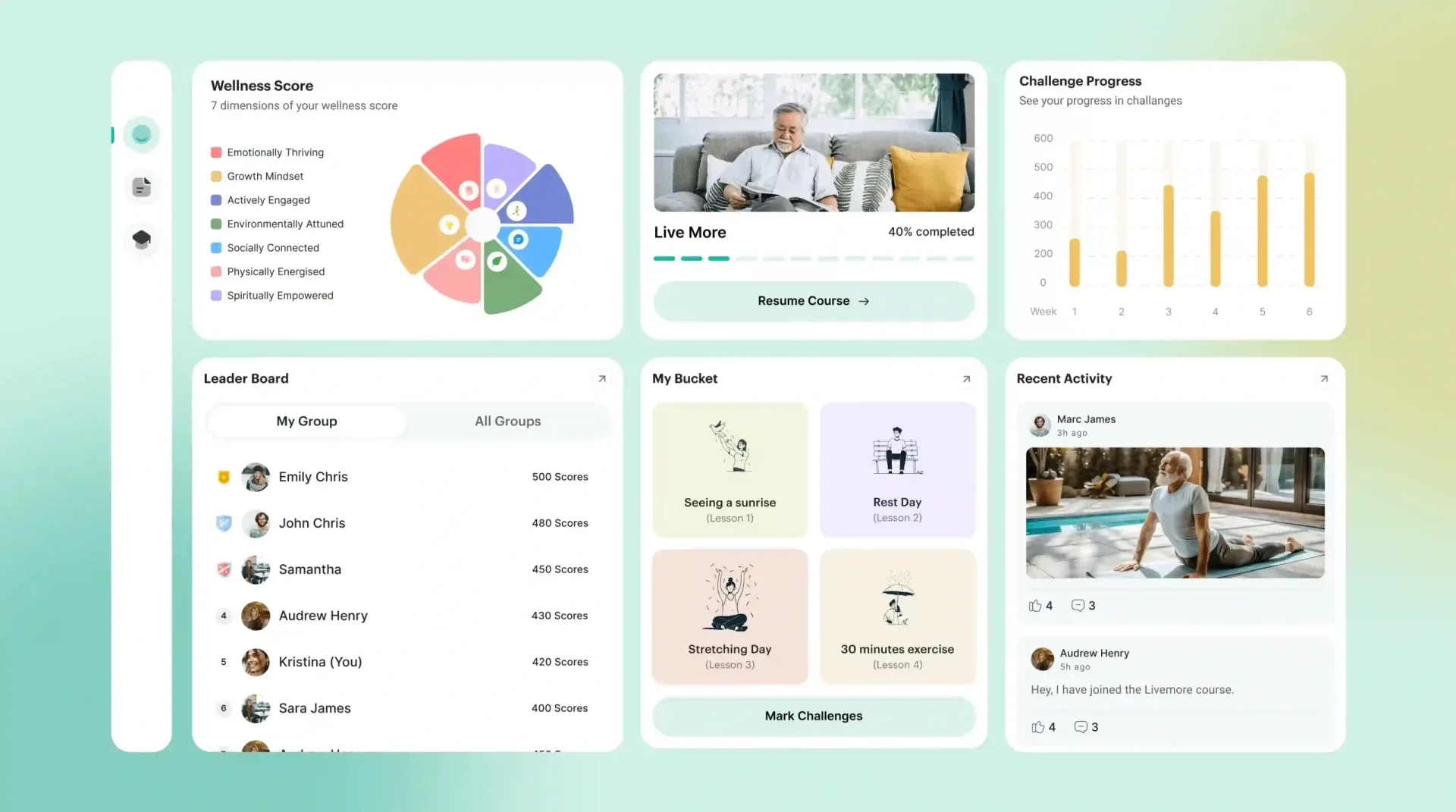
  • Wellness app design for coaching and habits, like the Elia Wellness platform for adults over 50
Explore healthcare design
Healthcare UI UX design example

Get the AI product UX checklist

  • 25 checks for AI features: input, output, trust, correction and failure states
  • A one-page scorecard to rate your product before a redesign
  • 10 questions to ask any UI UX design agency before you sign
AI Product UX Checklist

Agency, freelancer or in-house designer: which fits?

Each option suits a different stage. The table shows where each one is strong and where it falls short.

Freelancer vs in-house designer vs ui-ux.agency, compared criterion by criterion
CriterionFreelancerIn-house designerui-ux.agency
Time to start1–3 weeks2–4 months to hire1–2 weeks
Research and testingRarely includedDepends on the hirePart of every project
AI and SaaS patternsVariesLearned on the jobCore focus
Engineering partnerNoYour teamtkxel engineers when you need them
Cover for leaveNoNoYes, a team stands behind every designer
Best forSmall, clear tasksLong-term ownership of one productNew products, AI features and redesigns

Published prices for every engagement

Plan your budget before the first call. Full design and build engagements are scoped after discovery.

Startups

MVP design

$15,000–$50,000
4–8 weeks

Research, user flows, interface design and a tested clickable prototype.

SaaS

SaaS product design

$40,000–$180,000
6–16 weeks

Onboarding, core workflows, dashboards, billing and a design system.

Ongoing

Dedicated design team

$15,000–$40,000/mo
2–5 designers

Designers inside your sprints on a monthly plan.

Why teams pick ui-ux.agency

Part of tkxel

Our designers sit next to tkxel's engineers, so designs are checked for build effort before you see them.

AI and SaaS focus

We design AI features, subscription software and startup products every week, not once a year.

Tested before built

Every flow that carries risk is tested with 5 to 8 real users before engineering starts.

Clear prices

Published price ranges and fixed-scope proposals, with no surprise change requests.

Tools we design and test with

Figma

Design files, component libraries and clickable prototypes in one shared place.

Maze

Remote usability tests that show where users succeed or fail on each task.

Microsoft Clarity

Session recordings and heatmaps that show real behavior after launch.

Storybook

Living documentation of the design system, shared with engineers.

Have an AI or SaaS product to design?

Tell us what you are building. A senior designer reads it, replies within one business day (ET) and books a call. Need an NDA first? We sign one before any technical detail.

FAQ

Frequently asked questions

Straight answers about scope, timelines, pricing and how we work with your team.

Still have a question?

A senior designer replies to every message within one business day (ET).

Talk to a design lead

What does a UI UX design agency do?

A UI UX design agency researches users, designs how a product works (UX) and how it looks (UI), tests it with real people and supports engineers during the build. We focus on AI products, SaaS platforms and startup MVPs. See what we do.

How much does a UI UX design agency cost?

Our projects range from $15,000 for MVP design to $200,000 for a full SaaS product redesign. Dedicated design teams cost $15,000 to $40,000 per month. The UI UX design cost guide lists every range.

Is ui-ux.agency part of tkxel?

Yes. ui-ux.agency is the UI UX design team of tkxel, a software engineering company. You can hire us for design only, or for design and development together.

Do you design AI products?

Yes. AI features and AI-first products are a core focus: prompt input, generated answers, sources, confidence cues and correction flows. See our AI UX design agency page.

How fast can a project start?

Most projects start 1 to 2 weeks after the first call. An MVP design takes 4 to 8 weeks; a SaaS product design takes 6 to 16 weeks.

Can you work with our developers?

Yes. We hand over annotated Figma files, components and specs, and our designers join your sprint reviews until the design is live.

Do you work with early-stage startups?

Yes. Founders hire our MVP design agency team to turn an idea into a tested, clickable prototype before they hire developers or raise money.

Who owns the designs?

You do. All design files, research and components transfer to your company.